

Address: No. 182 Cailun Road,Zhangjiang Hi-Tech Park, Pudong,Shanghai 201210, China
Tel: +86-21-5855 2348
Customer Service: +86-21-50796550
Mobile: +86-136-7171-4536
E-mail:xier7280@sina.cn
Fax: +86-21-5855 1861
Contact:Mr.Wang
Postcode:201210
Jiuhua Mountain: A Sacred Journey to China’s Buddhist Sanctuary
Overview
Jiuhua Mountain, one of China’s Four Great Buddhist Mountains and the sacred site of Ksitigarbha Bodhisattva, is a National 5A Tourist Attraction and a model national scenic zone. As part of the three major mountain ranges in southern Anhui (alongside Huangshan and Tianmu Mountains), it sits in the southeastern region of Chizhou City, Anhui Province. To the northwest, it faces Mount Tianzhu across the Yangtze River; to the southeast, it parallels the splendor of Huangshan Mountain across the Taiping Lake. Jiuhua Mountain serves as the primary northern gateway and main scenic area of Anhui’s prestigious “Two Mountains & One Lake” (Huangshan, Jiuhua, Taiping Lake) golden tourism belt.
•Scenic Area: 120 km² | Protected Zone: 174 km²
•Center (Jiuhua Street): 117° E, 30° N
•Status: Internationally renowned Buddhist pilgrimage site.
🧭 Essential Travel Tips for Visitors
1.Accommodation Note
Most lodgings are located on Jiuhua Street (approx. 600m above sea level). Given the mountainous climate with 180 rainy/foggy days annually, hotel rooms may occasionally feel damp. We kindly ask visitors for their understanding.
2.Dining & Cuisine
Local dining features Hui-style cuisine (Anhui cuisine), known for its emphasis on oil, color, and precise heat control. Dishes tend to be slightly salty and spicy. Please inform guests in advance to manage expectations.
3.Year-Round Destination
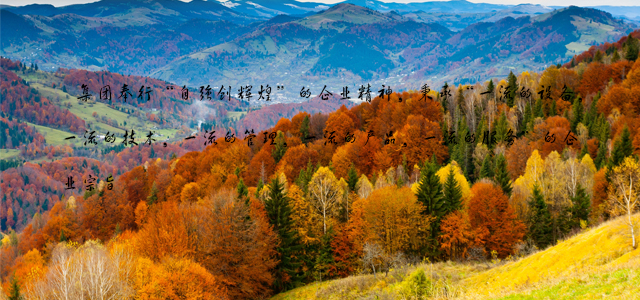
Jiuhua Mountain offers distinct beauty in all seasons: blooming spring flowers, summer cloud seas, vibrant autumn foliage, and picturesque winter snow.
4.Nature Awareness
The natural environment is well-preserved, meaning wildlife (including snakes and insects) may occasionally appear. We recommend carrying snakebite medication as a precaution.
5.Mountaineering Advice
•Footwear: Wear soft-soled flat shoes (hiking/travel shoes); avoid high heels and platform soles. Thick socks are recommended to prevent blisters.
•Carrying Gear: A waist pack is most efficient, followed by a backpack. Single-shoulder bags or handheld items are most strenuous.
•Navigation: Ask locals for directions frequently to avoid detours; do not wander off-trail randomly.
🙏 Temple Etiquette & Guidelines
1.Entering the Temple
Enter through the side doors (left or right). Stepping over the central threshold, or sitting/standing on it, is considered highly disrespectful to the Buddha and Bodhisattvas.
2.Worshiping (Prostration)
•Begin with hands pressed together in prayer (Anjali Mudra).
•Kneel on the right side of the cushion (pu-tuan).
•Place palms upward, shoulder-width apart, and bow until the forehead touches the cushion.
•Upon rising, turn palms downward briefly before returning to a standing position with hands together.
3.Offering Incense
Devout followers typically offer three incense sticks ("burning three pillars of high incense") in the burner. Casual visitors should still ensure incense is placed upright, as slanting sticks are viewed as disrespectful.
4.Respecting Monastics
Avoid asking monks about their reasons for ordination or personal daily lives—these are sensitive topics and considered major taboos.
5.Photography & Addressing Clergy
•No photography inside temple halls; do not touch ritual instruments.
•When addressing monastics: Men should be called "Shifu" (Master), women "Shitai" (Reverend Mother). Never use "Heshang" (Monk) or "Nigu" (Nun), as these can be considered impolite.